
Digital citizen empowerment a sytematic literature review fusionado.pdf
Vista previa de texto
(Venkatesh et al., 2003). It also concerns the required capabilities/skills possessed by individuals
engaging with OGD such as programming, data analytics and statistics (Janssen et al., 2012) or other
competence (Wirtz et al., 2018). The more citizens acquire and master capabilities needed to use
complex and sophisticated data, the lesser efforts perceived by the citizens (effort expectancy) and
the more positive the citizens’ perceived ease of OGD use (Wirtz et al., 2018, Zuiderwijk et al., 2015,
Saxena and Janssen, 2017, Wirtz et al., 2017, Weerakkody et al., 2017b). Intrinsic motivation concerns
“doing something because it is inherently interesting or enjoyable” (Deci, 2004, p. 859), while extrinsic
motivation can be defined as “doing something because it leads to a separate outcome” (Deci, 2004,
p. 859). Both motivations can explain what drives an individual to engage with OGD in a particular
behavior (Wirtz et al., 2018). Examples of intrinsic motivation include fun and enjoyment (Wirtz et al.,
2018) and personal interests compatible with an individual’s values (Weerakkody et al., 2017a) such
as contributing to the benefits of society (Purwanto et al., 2018a, Kuk and Davies, 2011). Fun and
enjoyment is an influential driver for hackers to engage with open data in Swedish hackathons (JuellSkielse et al., 2014). Instances of extrinsic motivation include expectancy towards job performance
(Zuiderwijk et al., 2015) or other advantage (Weerakkody et al., 2017a), usefulness for doing the tasks
at hand (Wirtz et al., 2018, Wirtz et al., 2017, Weerakkody et al., 2017b), and prospects of financial
gains or future employment (Kuk and Davies, 2011).
Regarding the individual factors influencing citizen engagement with OGD, we identified three main
factors including resources, influence from citizens’ social relationships, and the quality of the opened
data. Citizens need resources, functioning as facilitating conditions such as internet access, time, and
money, which they can access and use for engaging with OGD (Saxena and Janssen, 2017). Influence
from social relationships particularly supervisors (Zuiderwijk et al., 2015) or social media friends
(Purwanto et al., 2018a) or others (Weerakkody et al., 2017b, Saxena and Janssen, 2017) is found
significantly affecting citizens’ intention to use OGD. This indicates that the beliefs or values of other
people or communities important to citizens may influence their decision on engaging with OGD. Poor
quality of data may become a barrier that hinders citizens from engaging with OGD (Janssen et al.,
2012, Zuiderwijk et al., 2012). Therefore, it is imperative for governmental organizations to not only
release public data but also maintain data quality.
2.2.4 Conceptual model to analyze the case
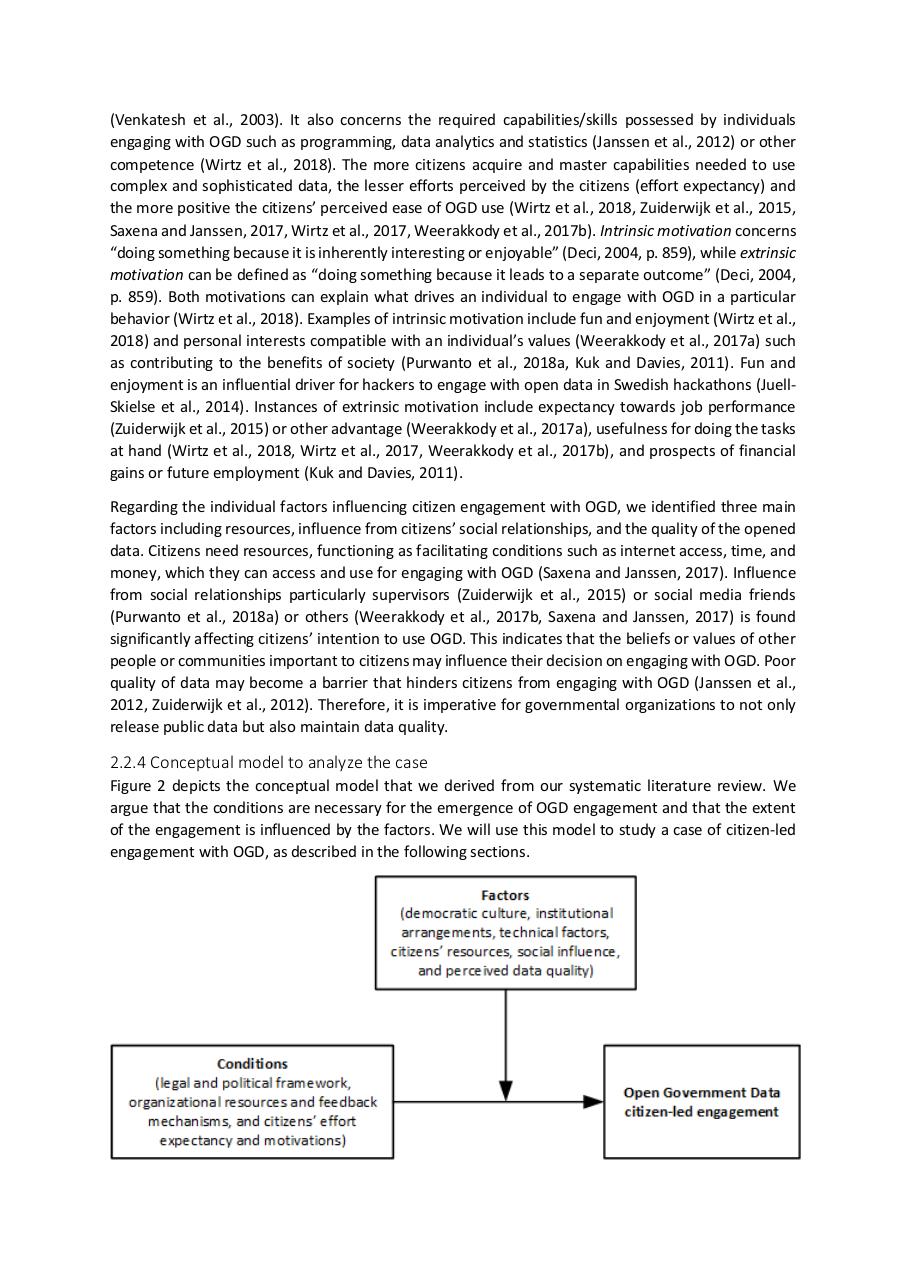
Figure 2 depicts the conceptual model that we derived from our systematic literature review. We
argue that the conditions are necessary for the emergence of OGD engagement and that the extent
of the engagement is influenced by the factors. We will use this model to study a case of citizen-led
engagement with OGD, as described in the following sections.