
Digital citizen empowerment a sytematic literature review fusionado.pdf
Vista previa de texto
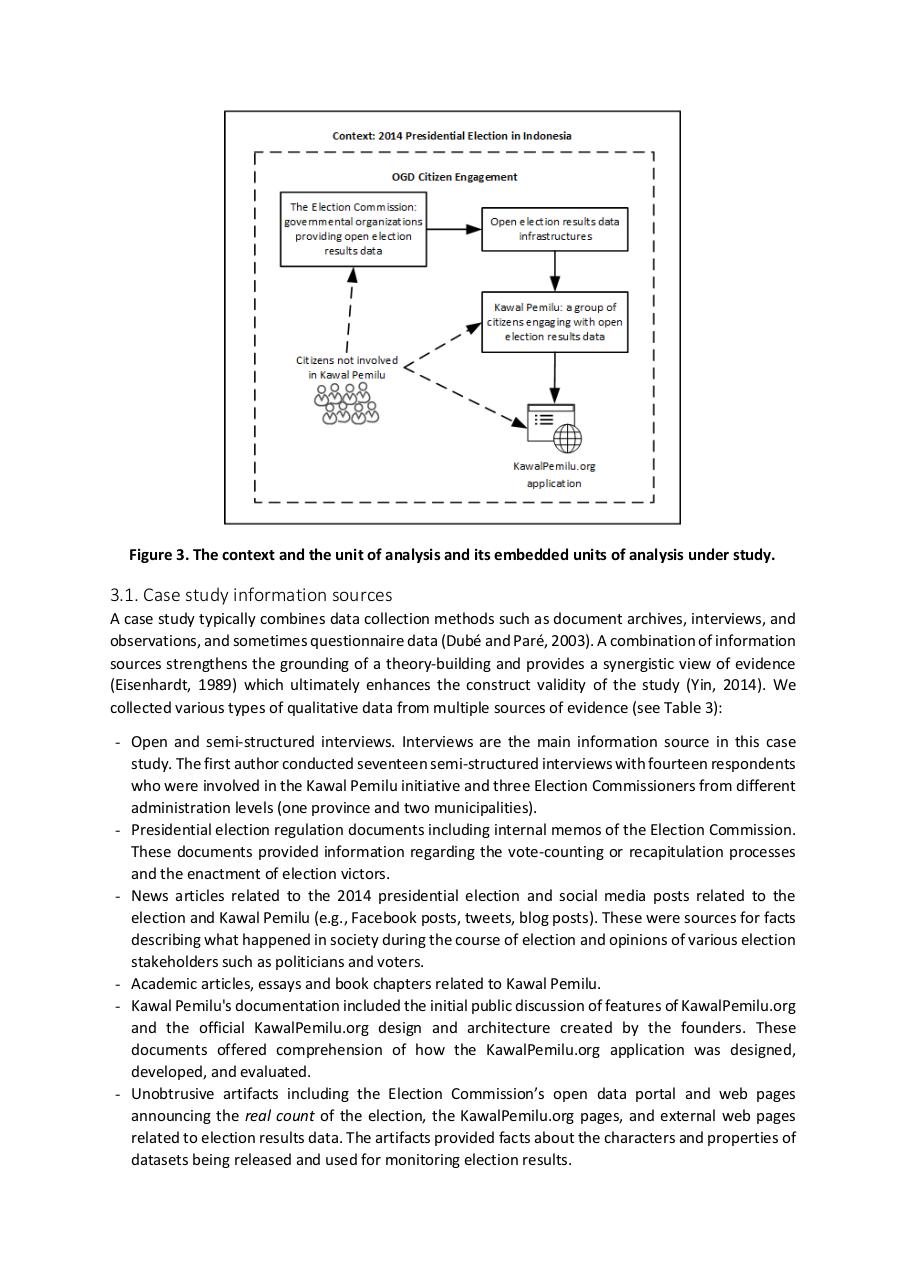
Figure 3. The context and the unit of analysis and its embedded units of analysis under study.
3.1. Case study information sources
A case study typically combines data collection methods such as document archives, interviews, and
observations, and sometimes questionnaire data (Dubé and Paré, 2003). A combination of information
sources strengthens the grounding of a theory-building and provides a synergistic view of evidence
(Eisenhardt, 1989) which ultimately enhances the construct validity of the study (Yin, 2014). We
collected various types of qualitative data from multiple sources of evidence (see Table 3):
- Open and semi-structured interviews. Interviews are the main information source in this case
study. The first author conducted seventeen semi-structured interviews with fourteen respondents
who were involved in the Kawal Pemilu initiative and three Election Commissioners from different
administration levels (one province and two municipalities).
- Presidential election regulation documents including internal memos of the Election Commission.
These documents provided information regarding the vote-counting or recapitulation processes
and the enactment of election victors.
- News articles related to the 2014 presidential election and social media posts related to the
election and Kawal Pemilu (e.g., Facebook posts, tweets, blog posts). These were sources for facts
describing what happened in society during the course of election and opinions of various election
stakeholders such as politicians and voters.
- Academic articles, essays and book chapters related to Kawal Pemilu.
- Kawal Pemilu's documentation included the initial public discussion of features of KawalPemilu.org
and the official KawalPemilu.org design and architecture created by the founders. These
documents offered comprehension of how the KawalPemilu.org application was designed,
developed, and evaluated.
- Unobtrusive artifacts including the Election Commission’s open data portal and web pages
announcing the real count of the election, the KawalPemilu.org pages, and external web pages
related to election results data. The artifacts provided facts about the characters and properties of
datasets being released and used for monitoring election results.