
tc3 97 61.pdf
Vista previa de texto
Chapter 3
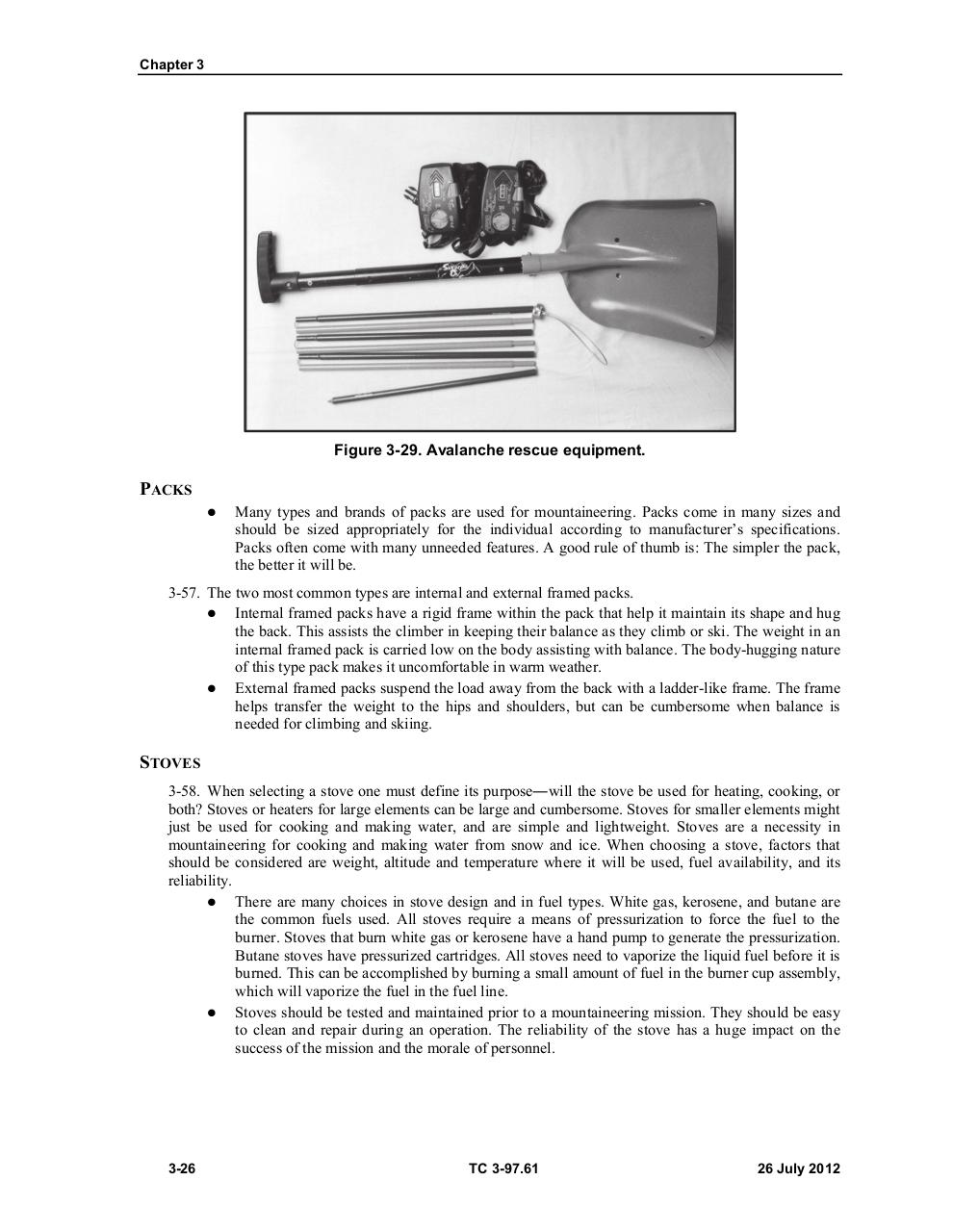
Figure 3-29. Avalanche rescue equipment.
PACKS
Many types and brands of packs are used for mountaineering. Packs come in many sizes and
should be sized appropriately for the individual according to manufacturer’s specifications.
Packs often come with many unneeded features. A good rule of thumb is: The simpler the pack,
the better it will be.
3-57. The two most common types are internal and external framed packs.
Internal framed packs have a rigid frame within the pack that help it maintain its shape and hug
the back. This assists the climber in keeping their balance as they climb or ski. The weight in an
internal framed pack is carried low on the body assisting with balance. The body-hugging nature
of this type pack makes it uncomfortable in warm weather.
External framed packs suspend the load away from the back with a ladder-like frame. The frame
helps transfer the weight to the hips and shoulders, but can be cumbersome when balance is
needed for climbing and skiing.
STOVES
3-58. When selecting a stove one must define its purpose―will the stove be used for heating, cooking, or
both? Stoves or heaters for large elements can be large and cumbersome. Stoves for smaller elements might
just be used for cooking and making water, and are simple and lightweight. Stoves are a necessity in
mountaineering for cooking and making water from snow and ice. When choosing a stove, factors that
should be considered are weight, altitude and temperature where it will be used, fuel availability, and its
reliability.
There are many choices in stove design and in fuel types. White gas, kerosene, and butane are
the common fuels used. All stoves require a means of pressurization to force the fuel to the
burner. Stoves that burn white gas or kerosene have a hand pump to generate the pressurization.
Butane stoves have pressurized cartridges. All stoves need to vaporize the liquid fuel before it is
burned. This can be accomplished by burning a small amount of fuel in the burner cup assembly,
which will vaporize the fuel in the fuel line.
Stoves should be tested and maintained prior to a mountaineering mission. They should be easy
to clean and repair during an operation. The reliability of the stove has a huge impact on the
success of the mission and the morale of personnel.
3-26
TC 3-97.61
26 July 2012